As a supplier of non - shedding fur products, I've often been asked some interesting questions about non - shedding fur animals. One question that frequently arises is: "Do non - shedding fur animals need a special type of litter?" This blog post aims to explore this question in depth, drawing on scientific knowledge and practical experience.
Understanding Non - Shedding Fur Animals
First, let's clarify what non - shedding fur animals are. These are pets, mainly dogs and cats, that have a coat structure which results in minimal shedding. Breeds like Poodles, Bichon Frises, and Sphynx cats are well - known non - shedders. The non - shedding characteristic is due to a combination of genetic factors, hair growth cycles, and the texture of their fur.
Non - shedding fur doesn't mean that these animals don't lose any hair at all. Instead, they tend to trap loose hair within their coat, which can lead to matting if not properly groomed. This unique coat feature has implications not only for grooming but also for the type of environment they live in, including the litter they use.
The Role of Litter
Litter is an essential part of caring for indoor non - shedding fur animals, especially cats. It serves multiple purposes. Firstly, it provides a place for animals to relieve themselves in a controlled and hygienic manner. Secondly, it helps to control odors and keep the living environment clean. Thirdly, it can absorb moisture from urine, preventing the growth of bacteria and fungi.


Do Non - Shedding Fur Animals Need Special Litter?
The answer is not a simple yes or no. There are several factors to consider when determining whether non - shedding fur animals need special litter.
1. Allergies
One of the main reasons people choose non - shedding fur animals is to reduce the risk of allergies. However, some traditional litters can be a source of allergens themselves. Dust from clay - based litters can become airborne, and if an animal or its owner is allergic, it can cause respiratory problems. For non - shedding fur animals and their allergic owners, a low - dust or dust - free litter might be a better choice. This type of litter can help minimize the spread of allergens in the air, leading to a healthier living environment.
2. Coat Maintenance
As mentioned earlier, non - shedding fur animals are prone to matting. If the litter particles stick to their fur, it can exacerbate this problem. Specialized litters that are less likely to cling to fur can be a great advantage. Silica gel litters, for example, are smooth and less likely to adhere to the animal's coat compared to some clumping clay litters. This reduces the amount of litter that gets carried around the house on the animal's feet and fur.
3. Odor Control
Non - shedding fur animals still produce waste with a strong odor. Some litters are specifically designed to have better odor - control properties. Activated charcoal - based litters, for instance, can absorb and neutralize odors more effectively. This is important not only for the comfort of the owner but also for the well - being of the animal, as a more odor - free environment is generally considered more pleasant.
4. Digging and Comfort
Animals often have a natural instinct to dig in their litter. For non - shedding fur animals, a litter that provides a soft and comfortable surface for digging can be beneficial. Pine pellet litters, made from compressed wood, are soft and offer a natural feeling that some animals prefer. They also break down easily upon contact with urine, providing good absorbency.
Our Product Range and Recommendations
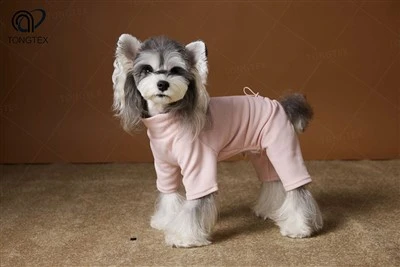
As a non - shedding fur supplier, we understand the importance of providing the best products for these unique animals. We offer a variety of products that can be used in conjunction with the right type of litter. For example, our Dog Stylish Sweatshirt is designed to keep your non - shedding fur dog warm and stylish during the colder months.
When it comes to litter, we recommend considering a multi - cat clumping litter for non - shedding fur cats. These litters are usually low - dust, have good odor control, and clump well for easy scooping. For non - shedding fur dogs that are trained to use an indoor potty area, a synthetic turf - like litter pad can be a great option. It mimics the feeling of grass and is easy to clean.
Making the Right Choice
Choosing the right litter for non - shedding fur animals requires careful consideration. It's important to take into account the animal's specific needs, such as its age, health, and personal preferences. You can start by consulting with your veterinarian, who can provide valuable advice based on your pet's individual circumstances.
Benefits of Using the Right Litter
Using the appropriate litter for non - shedding fur animals can have several benefits. Firstly, it can improve the overall health of the animal. A clean and odor - free litter environment reduces the risk of urinary tract infections and other health problems. Secondly, it can make the living environment more pleasant for both the animal and its owner. A well - chosen litter can minimize odors and mess, resulting in a cleaner home.
Encouraging Purchase and Contact
If you're interested in our non - shedding fur products or have any questions about choosing the right litter for your non - shedding fur animal, we'd love to hear from you. We are committed to providing high - quality products and excellent customer service. Whether you're a pet owner looking for the best solutions or a retailer interested in stocking our products, we're here to assist you. Reach out to us to start a conversation about your needs and how we can meet them.
References
- "The Cat Owner's Manual" by Linda P. Case
- "Canine Behavior: A Photo Illustrated Handbook" by Brenda Aloff
- Various research papers on pet health and litter materials from academic databases.